As we get older, it can feel more difficult to exercise—we get tired and joints tend to hurt a little more than in the past. But there are lots of benefits to keeping an active lifestyle, even if it’s not high-intensity.
According to the National Institute on Aging, regular physical activity can help older adults maintain strength, balance, mobility, and independence as they age.1 Exercise may also support better sleep, mood, and overall health while helping reduce the risk of falls and chronic conditions.1
It can be difficult at any age to find exercises that you not only enjoy but also will not cause additional stress on your body. Low-impact exercises are great options—especially for older adults—as these workouts are gentler on your joints and can still be low-, moderate-, or high-intensity.
Before starting any exercise, however, talk with your healthcare provider to make sure you’re doing what’s best for you and your body.
While exercising is important, you’ll want to make sure you understand which exercises are recommended for you and which are not. Your healthcare provider can help you determine what’s best for you.
If you’re ready to get moving, try one or more of these low-impact exercises:
1. Cat-cow stretches
This stretch is done on your hands and knees, but there is a modification for those who need to sit on a chair.
Start the exercise by kneeling and putting your hands on your mat or the floor directly underneath your shoulders, keeping your arms straight. Your knees should square up on the floor directly underneath your hips. Keep your back straight.
Then, round your back and pull your bum under, causing your spine to curve. Hold that for 10 seconds, then slowly release.
When you release, arch your back toward the floor and extend your head and neck up into a gentle stretch. Breathe in and out.
If you have back, shoulder, or neck injuries, talk to your healthcare provider before doing any stretches that could irritate your condition.
2. Water aerobics
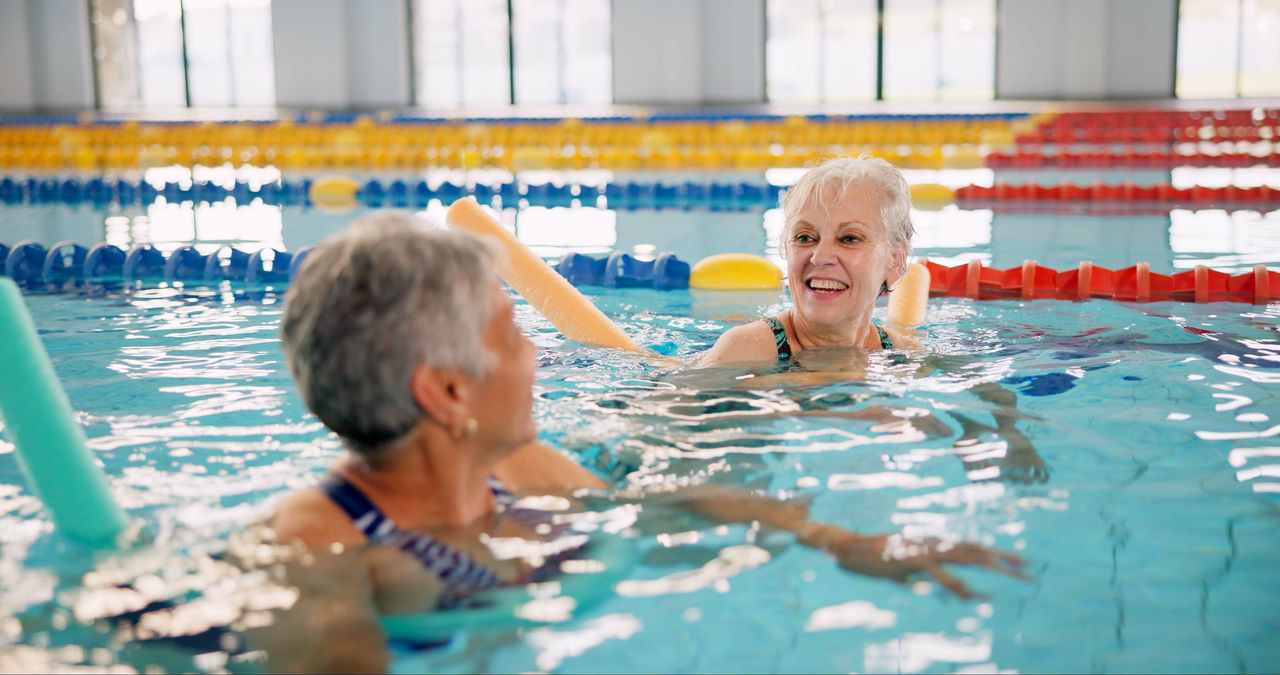
Water aerobics is one of the most low-impact exercise options for those with sensitive joints. It can be a fun, invigorating activity to maintain cardiovascular endurance and tone muscles.
3. One-foot balance
Raise your leg out in front of you and stand on one foot for 30 seconds, then switch to the other foot. You can do this for a few rotations in a two-minute tooth-brushing session.
Make sure you hold onto something at first if your balance feels unsteady. In time, balancing can become easier.
If you’re prone to balance issues, talk to your healthcare provider before doing these kinds of exercises on your own.
4. Squats and reaching
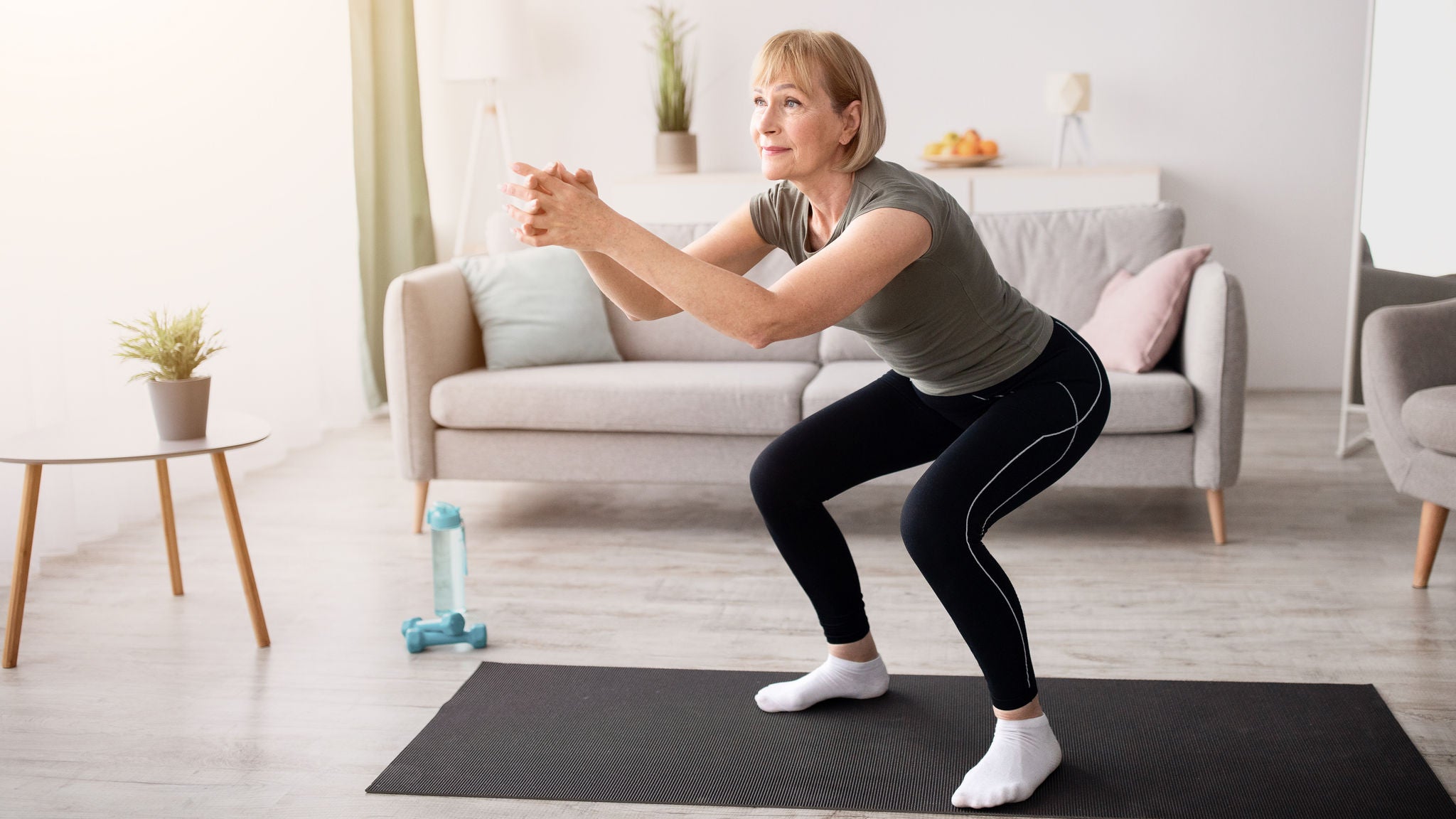
With your feet hip distance apart, put your arms out in front of you. Squat down as if you are going to sit.
As you squat, reach the right hand toward the left and rotate your body a little to the left. Then straighten back up and do the same to the other side. This strengthens your legs and core.
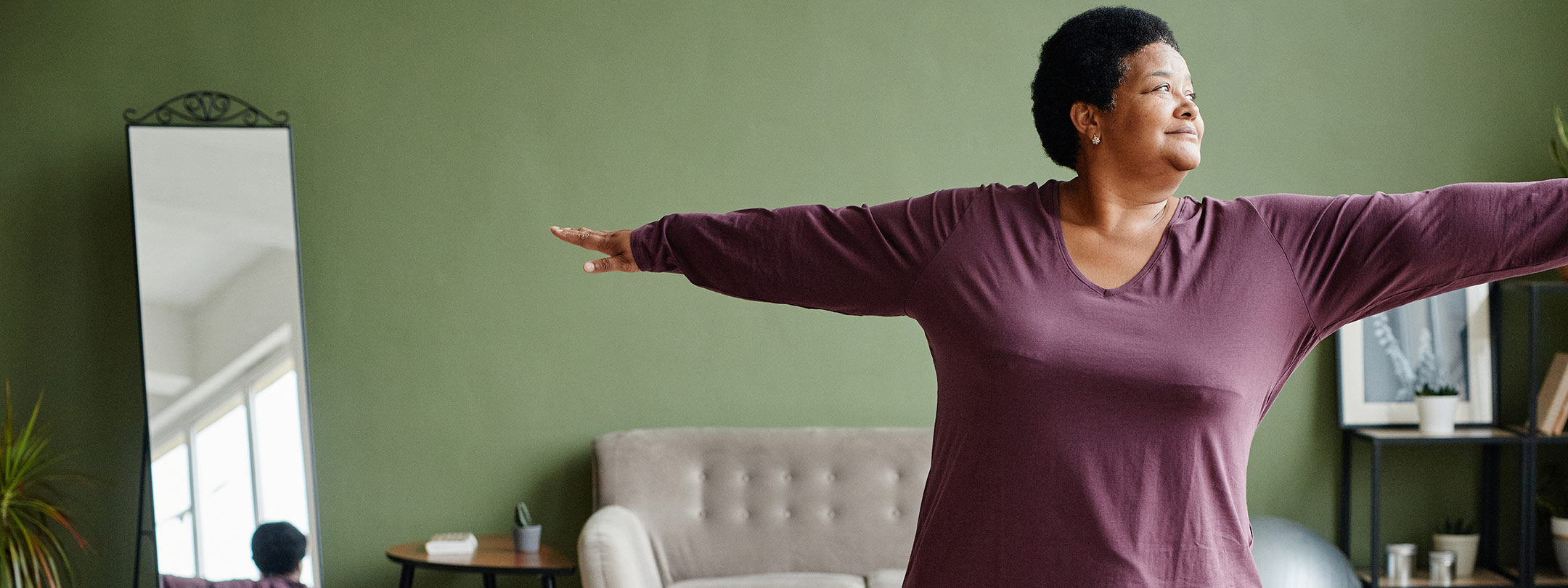
5. Tai chi
Tai chi is an ancient Chinese tradition that stemmed from martial arts. Now, it’s used to help people improve balance and prevent falls, according to the U.S. Department of Health and Human Services.2 It involves slow, gentle movements, controlled breathing, and relaxed muscles. You can attend a class near you for personalized guidance, or if you’d rather start from your own home, check out some beginner videos online.
6. Lunges
With your hands on your hips and your feet hip-width apart, step forward on one leg. As you do so, bend both your knees until the front thigh is parallel to the floor and the lower leg is bent 90 degrees.
If you can’t bend all the way down, start small. Only go halfway down (or less). Over time, you can build strength and flexibility to extend more.
7. Take a daily walk
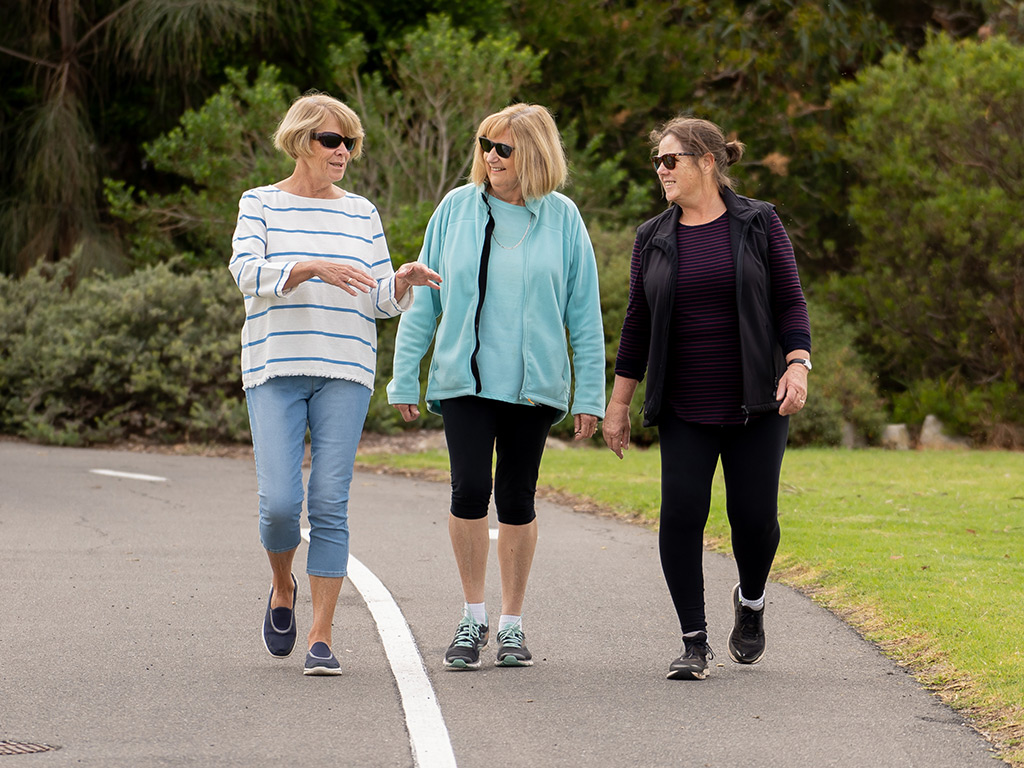
Slow down and take a 30-minute walk around the block. Though it seems too easy to be high-quality exercise, daily walking can be very good for your health. According to an article in GeroScience, walking can improve mental well-being, sleep, longevity, and decrease your risk of developing disease.3
Grab a friend or your spouse and take a stroll through the neighborhood.
There’s no reason to let aging or painful joints slow you down. Even these simple, low-impact workouts can make a big difference.
This article is intended for informational purposes only and is not legal or medical advice. Links to other sites are provided as a convenience, but Select Health does not endorse the third-party sites, information, or services.
The content included here is for your information and not a substitute for professional medical advice. It should not be used to diagnose or treat a health problem or disease. Please consult your doctor if you have any questions or concerns. Additionally, this information does not guarantee benefits. To review your benefits, please reference your plan materials or call Member Services at 800-538-5038 weekdays, from 7:00 a.m. to 8:00 p.m., and Saturday, from 9:00 a.m. to 2:00 p.m., closed Sunday. TTY users call 711.
Sources
1. Health Benefits of Exercise and Physical Activity, National Institute on Aging, 2025
2. Tai Chi: What You Need To Know, U.S. Department of Health and Human Services, 2023
Related Articles