
Key takeaways
- Prediabetes is different from type 2 diabetes, but it can be the first step to developing diabetes.
- Testing for prediabetes usually involves a blood test measuring A1C levels. It can also include a blood glucose test.
- It is possible to reverse prediabetes through healthy lifestyle changes and losing extra weight.
According to the Centers for Disease Control (CDC), more than 1 in 3 American adults has prediabetes and more than 80% of them don’t know it.1 Finding out you have prediabetes isn’t pleasant news, but it’s not a definitive type 2 diabetes diagnosis. You can make changes to reverse course and lower blood sugar levels before developing type 2 diabetes.

What is prediabetes?
People who have prediabetes have higher-than-normal blood sugar levels. Although their blood sugar levels are too high, they’re not high enough for a type 2 diabetes diagnosis.
The body makes a hormone called insulin that allows sugar into cells to use as energy. If you have prediabetes, the cells don’t work with the insulin like they should. Trying to make the cells work correctly, the pancreas makes more insulin. Over time, there’s too much sugar in the blood, leading to prediabetes.1
How is prediabetes diagnosed? What tests are used?
Testing for prediabetes involves a simple blood test. Your provider is looking for your A1C percentage. This is the average of your blood sugar over the last three months, according to the American Diabetes Association (ADA).2
Collin Walentine M.D., a family medicine doctor at UCHealth says prediabetes is defined as an A1C that is somewhere between 5.7 and 6.4%. He explains that your red blood cells typically have a lifespan of about three months. The sugar in your blood binds to those red blood cells. The higher your blood sugar, the more sugar is stuck on your cells.
Your primary care provider may also test your blood sugar, but Walentine says that’s not always the right test for everyone. This test can measure blood sugar at that moment, which can be meaningful if it’s above about 200. In that case, he says providers know the patient either has prediabetes or diabetes. But the A1C number can show more data and give a more accurate picture over time.
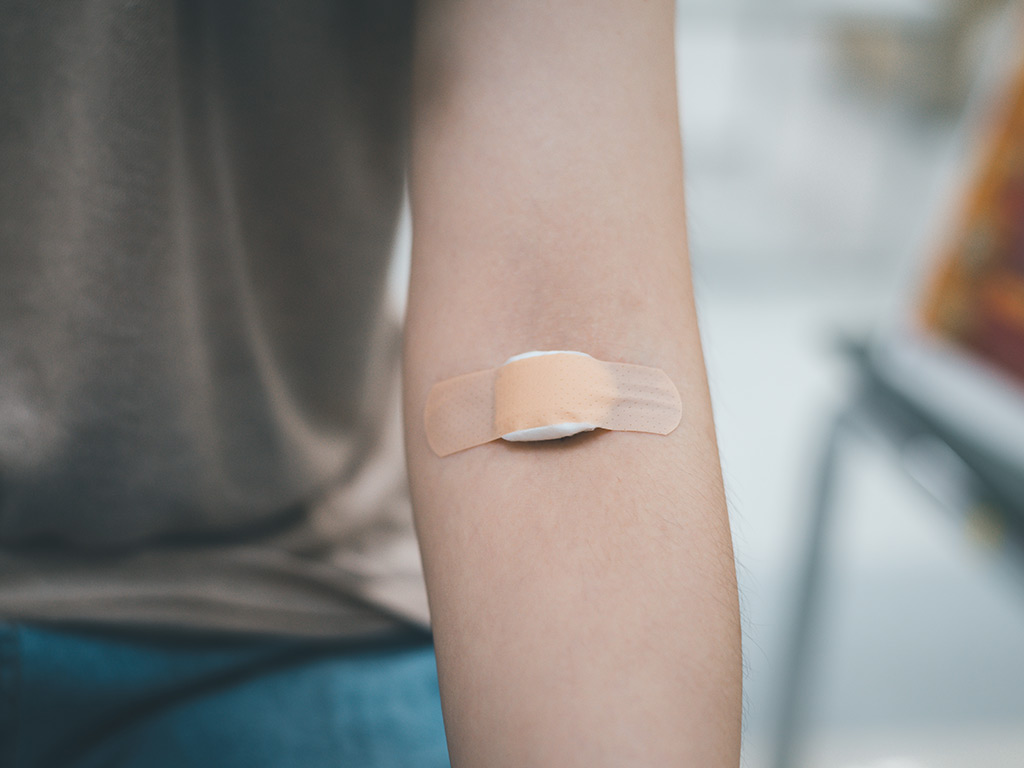
A1C test
Shows your blood sugar average over the last three months.
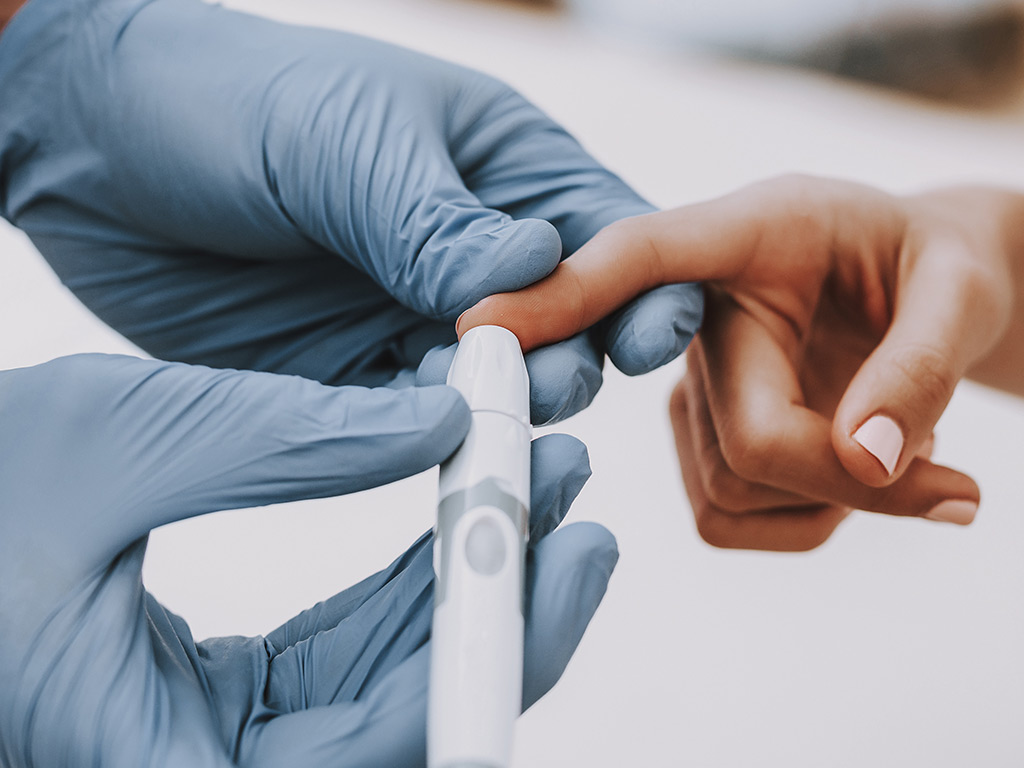
Blood sugar test
Determines the amount of sugar in your blood stream at the moment of testing.
Symptoms of prediabetes
Often, prediabetes shows no symptoms. Walentine explains that diabetes symptoms are more apparent than prediabetes. If you’re really thirsty and urinate often, those might be indicators of type 2 diabetes. But those with prediabetes still have enough insulin function to mask symptoms.
That’s why it’s important to see your primary care provider annually for a checkup. If you have any risk factors of developing prediabetes, your provider may want to test your blood. Here are some risk factors for prediabetes:1
- Being overweight
- Being 45-years-old or older
- Having a close family member with type 2 diabetes
- Exercising less than three times a week
- History of gestational diabetes
- Giving birth to a baby weighing more than nine pounds
- Having Polycystic Ovarian Syndrome (PCOS)
African Americans, Hispanic/Latino Americans, American Indians, Alaska Natives, Pacific Islanders, and some Asian American people are also at a higher risk of developing prediabetes.1
Can prediabetes be reversed?
Prediabetes can often be reversed.
“When blood glucose reaches the prediabetes range, it’s the biggest opportunity to intervene,” Walentine explains. “This is our opportunity to identify that there is an issue and then hopefully intervene before even medications become a necessity.”
Together with your medical provider, you can create a plan to make lifestyle changes that can naturally bring blood sugar levels down. Here are a few changes to consider:
Eat healthy foods
By eating more healthy foods and reducing less-nutritious foods, you can reduce your blood sugar. Walentine recommends the Mediterranean diet to his patients. It’s a diabetic-friendly diet that is not only good for metabolic health, but it can also help lower cholesterol.
Be physically active
Getting your body moving more can make the cells in your blood more sensitive to insulin, allowing them to absorb sugar more effectively, according to the ADA.3
Adults should aim for 150 minutes of moderate-intensity physical activity and two days of muscle-strengthening activity per week, the CDC recommends.4 Those 150 minutes can easily be broken down to 30 minutes per day, five days a week.
Physical activity can look different for everybody. Some might enjoy running on a treadmill at the gym, and others might prefer a dance class. Whatever you like doing, stick with it!
If you’re nervous about exercising safely, talk with your medical provider about ways to be active at the right pace for you.
Lose extra weight
It’s easier said than done, but losing extra weight can make a difference in reducing your diabetes risk. The National Institute of Diabetes and Digestive and Kidney Diseases reports losing between 5-7% of your body weight can lower your risk of developing diabetes.5
Talk with your medical provider about ways you can make healthy lifestyle choices that lead to weight loss.
An opportunity to avoid type 2 diabetes
Though it can seem scary to learn you have prediabetes, it’s really an opportunity to change the future of your health.
“You are not defined by your disease process. Just because you have prediabetes doesn't mean that's the end. You have the ability to step in to change your life and not let the disease define you,” Walentine encourages.
The first step in taking control of your health is visiting your primary care provider. Annual checkups can help spot problems before they turn into bigger issues. Select Health members can find a primary care doctor on the Select Health website.
Do you need an insurance plan that supports your health? Select Health offers plans for individuals, employers, and more. To browse our health insurance plans, visit the Select Health website.
The content included here is for your information and not a substitute for professional medical advice. It should not be used to diagnose or treat a health problem or disease. Please consult your doctor if you have any questions or concerns. Additionally, this information does not guarantee benefits. To review your benefits, please reference your plan materials or call Member Services at 800-538-5038 weekdays, from 7:00 a.m. to 8:00 p.m., and Saturday, from 9:00 a.m. to 2:00 p.m., closed Sunday. TTY users call 711.
Sources
1. Prediabetes – Your Chance to Prevent Type 2 Diabetes, CDC, 2024
2. Diabetes Diagnosis, American Diabetes Association
3. It’s a great time to get moving, American Diabetes Association
4. Adult Activity: An Overview, CDC, 2023
5. Insulin Resistance & Prediabetes, National Institute of Diabetes and Digestive and Kidney Diseases, 2025
Related Articles