Key takeaways
- Cleaning, sanitizing, and disinfecting are three different processes with different levels of germ removal.
- Cleaning with soapy water removes most germs and dirt from surfaces.
- Disinfecting kills most viruses and bacteria and is especially important when someone is sick or immunocompromised.
- Sanitizing can reduce remaining germs to safe levels, especially on items that touch food or go in the mouth.
Keeping your home clean after someone has been sick is an important step in reducing the spread of germs. Cleaning removes visible dirt and many germs, while sanitizing and disinfecting go further to reduce or kill the viruses and bacteria that linger on high‑touch surfaces. By understanding the difference between these methods, you will have the knowledge to keep your home healthier.
When one person is sick at home, it’s only a matter of time before everyone else gets sick, right? Maybe, maybe not. While there’s no surefire way to keep germs from spreading between family members or roommates, disinfecting after someone who has a virus may help reduce the chance of it spreading.
Properly killing germs requires more than a spray of solution and quickly wiping it up. It’s important to understand the difference between cleaning, disinfecting, and sanitizing.
The difference between cleaning, sanitizing, and disinfecting
Many people think cleaning with soap and water or a disinfecting spray from the store will kill all of the germs that are out there. After all, most cleaners say they’ll kill 99.99% of germs, right? But in reality, different products and cleaning methods kill different viruses, germs, and bacteria. Cleaning, disinfecting, and sanitizing are three separate things.
Cleaning
Cleaning isn’t just tidying up—it involves soap, water, and some elbow grease. It’s the first step in getting your home back to normal after an illness. Household cleaners that contain soap or detergent should remove most germs and dirt on surfaces, according to the CDC.1
Sanitizing
Sanitizing is a step up from cleaning. Weaker bleach solutions or sanitizing sprays can reduce the amount of germs on surfaces. Most sanitation methods will lower the germ count to levels that are up to public health code levels.1
Disinfecting
When you disinfect a surface, you kill most germs on it. Strong cleaners such as bleach solutions or certain chemicals are used to disinfect surfaces and things.1 The Environmental Protection Agency’s list of disinfecting products includes sprays and solutions to properly disinfect your home.
When should you clean your home?
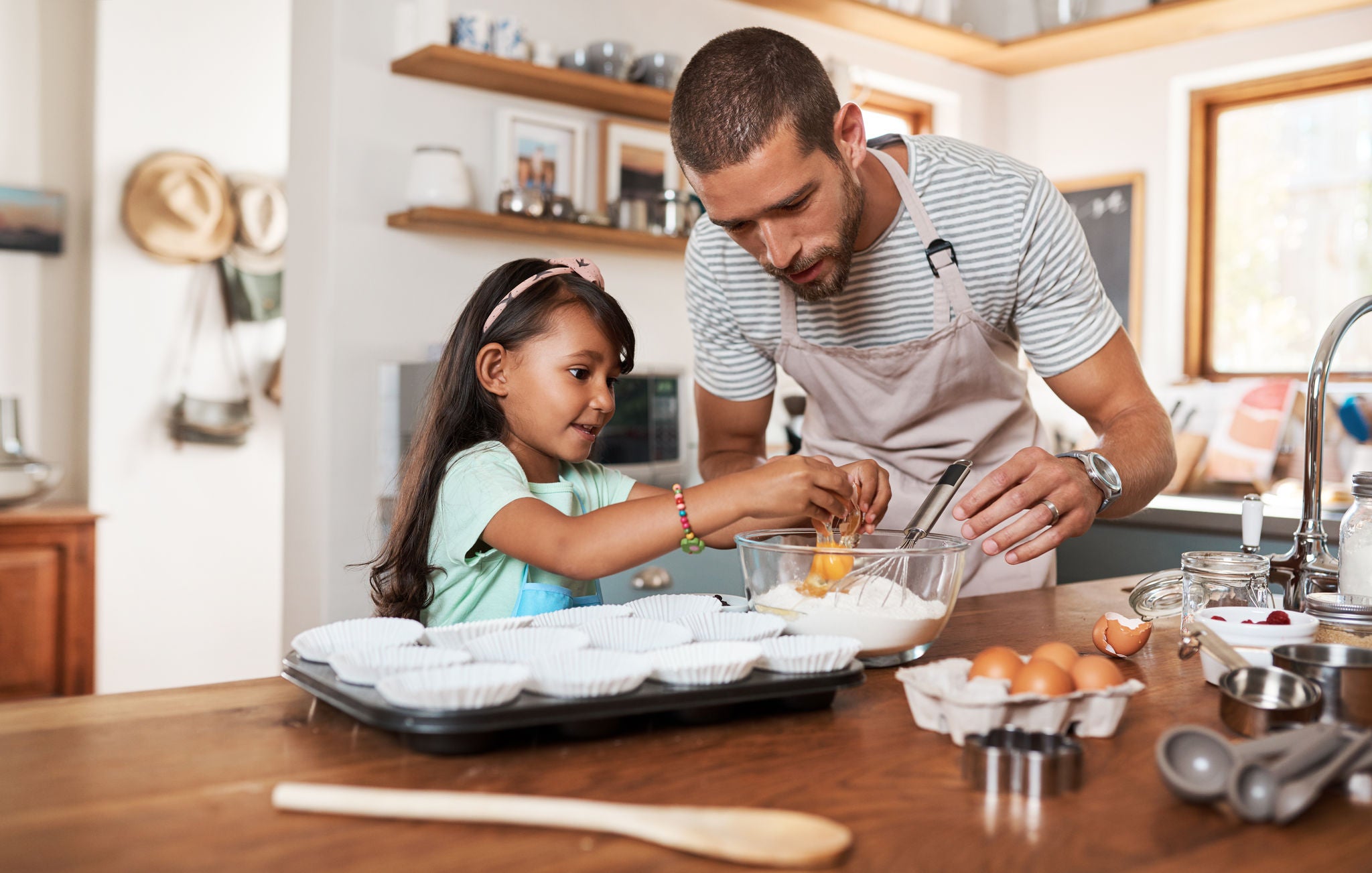
It might seem overwhelming, but you should clean your home regularly. By using household cleaners that contain soap or a detergent, you can remove germs and dirt on surfaces.1 Cleaning alone removes many harmful viruses or bacteria on surfaces—but not all.
If you’re concerned about disinfecting after someone with a virus touched or used an item, be sure to sanitize or disinfect surfaces after cleaning.
Tips for cleaning your home
To prevent the spread of germs, cleaning commonly-touched items in your home is a good preventive habit. Use a cleaner with soap in it to wipe down or scrub doorknobs, countertops, lightswitches, sink handles, and other high-touch surfaces.1
For soft surfaces, such as clothing and bedding, use normal laundry detergent and the recommended water temperature for your items. Be sure to dry everything completely, and wash your hands after handling dirty laundry.1
When should you sanitize your home?
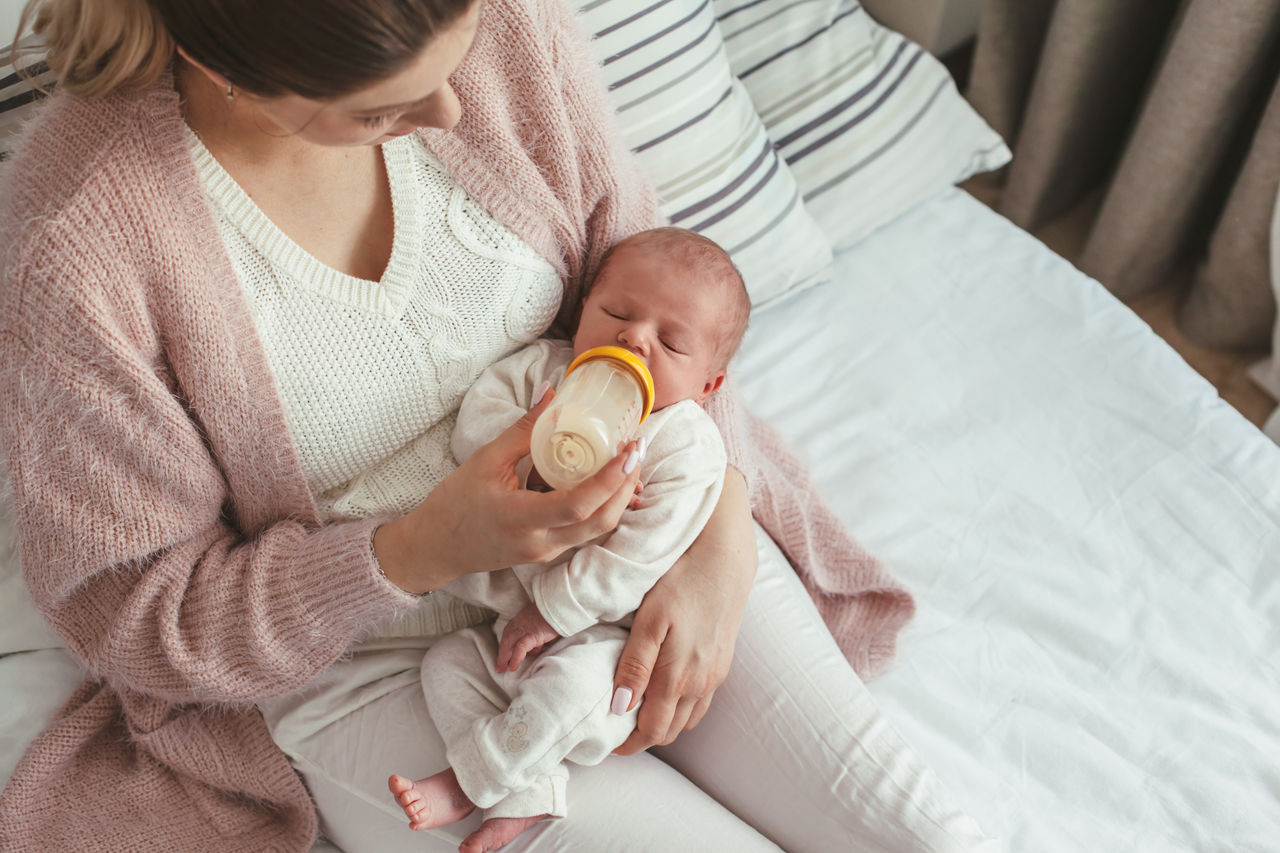
Sanitizing your home should happen when you want to reduce the remaining germs on surfaces after you’ve cleaned them. You may want to sanitize objects and surfaces that come in contact with someone’s mouth. For example, sanitizing toys, infant feeding supplies, countertops, and other things that touch food is a good idea, according to the CDC.2 You should also sanitize the inside of your refrigerator if you have a recalled food item.1
Tips for sanitizing your home
To properly sanitize your home, it’s important to first clean it. High-touch surfaces around the house as well as things that may touch someone’s mouth or food should be sanitized.
It’s also important to sanitize the inside of your sink or any surfaces that touch raw meat or their juices, as these products can carry harmful viruses and bacteria.1
After cleaning, follow up with a sanitizing product or weaker bleach solution.1 Allow the solution to stay wet on the surface for the recommended time on the bottle before wiping it off.
Read the item’s manufacturer’s instructions before sanitizing to avoid damage. Remember to wear gloves and wash your hands after using chemical sanitizers. Never mix chemicals.
When should you disinfect your home?
Disinfecting will remove viruses and bacteria that are still hanging around after cleaning. You should disinfect your home when someone is sick or someone is at a higher risk of getting sick because of a weakened immune system.
Tips for disinfecting your home
The key to properly disinfecting objects around the house is giving the product time to work. Read the label of your disinfectant and allow the solution to sit on the object and stay wet for the required time.
If someone is sick, make sure you disinfect doorknobs, sink faucet handles, light switches, countertops, and other high-touch surfaces.
To find out if your disinfecting product is actually effective, see if it’s on the EPA’s list of registered disinfectants. Remember to wear gloves and wash your hands after using chemical cleaners. Never mix chemicals.
Make a disinfecting bleach solution at home
To make a bleach solution at home, the CDC recommends using unscented bleach with 5-9% sodium hypochlorite.3 Some kinds of bleach, including scented and splashless types, do not always meet these standards.
Follow the directions on your bottle of bleach to make a disinfecting solution. Typically, this means mixing five tablespoons of bleach with one gallon of water or four teaspoons per quart of room temperature water.
Do not mix bleach with any other product.
To use the solution properly, follow the instructions listed on the bottle of bleach. If you can’t see any or don’t have access to them, spray or wipe the bleach solution on a nonporous surface and allow it to stay wet for at least 1 minute before wiping it.
Use the remaining bleach solution within 24 hours, as it becomes less effective over time when it’s mixed with water.3
Live your healthiest life possible
Keeping your home clean, sanitized, and disinfected is an effective way to reduce the spread of germs. A little extra care during and after an illness can go a long way in keeping your household healthy.
If you’re not feeling well or need help finding care, Select Health members can easily search for a provider to get necessary care. And if you’re exploring your coverage options, you can browse our health insurance plans to find one that fits your needs.
It depends on the type of virus, bacteria, or fungus. The CDC says many germs can live on surfaces for days to weeks.4
It can. Steaming is one way to sanitize certain items, according to the CDC. For example, certain baby feeding items can be steamed in a microwave or plug-in system. Make sure you read the manufacturer’s directions before steaming an item.5
The CDC recommends sanitizing toys or infant feeding supplies by boiling, steaming, or using a weakened bleach solution.6 Read all manufacturer instructions before attempting to sanitize with a certain method or product.
The bleach solution used for children’s toys should be 1 tablespoon of unscented bleach per gallon of water. Soak the items completely for at least two minutes. Once you’re done, place the sanitized items on a clean, unused dish towel or a paper towel to dry.6
The content included here is for your information and not a substitute for professional medical advice. It should not be used to diagnose or treat a health problem or disease. Please consult your doctor if you have any questions or concerns. Additionally, this information does not guarantee benefits. To review your benefits, please reference your plan materials or call Member Services at 800-538-5038 weekdays, from 7:00 a.m. to 8:00 p.m., and Saturday, from 9:00 a.m. to 2:00 p.m., closed Sunday. TTY users call 711.
Sources
1. When and How to Clean and Disinfect Your Home, Centers for Disease Control, 2025
2. The difference between cleaning, sanitizing, & disinfecting, Centers for Disease Control
3. Cleaning and Disinfecting with Bleach, Centers for Disease Control, 2024
4. Infection Control in Health Care: An Overview, Centers for Disease Control, 2024
5. How to Clean, Sanitize, and Store Infant Feeding Items Frequently Asked Questions, Centers for Disease Control, 2024
6. How To Clean and Disinfect Early Care and Education Settings, Centers for Disease Control, 2024
Related Articles