Key takeaways
- There are many types of childhood injuries, such as sprains, overuse injuries, fractures, growth plate injuries, and concussions.
- Talk to a medical provider if your child can’t bear weight on the injury, if they experience pain during daily activities, or show signs of a concussion.
- Age-appropriate playground equipment and properly fitted helmets can reduce the risk of serious injuries.
- Encourage children to try a variety of sports so their muscles have time to rest and recover from repetitive movements.
Bumps and bruises are a normal part of childhood, but knowing the signs of a more serious injury can help you determine when your child needs medical care. Your child’s healthcare provider should look at injuries when symptoms interfere with walking, everyday activities, or normal behavior. You can also help lower your child’s injury risk by choosing age-appropriate playground equipment, using properly fitted helmets, and encouraging participation in a variety of sports.
Children get injuries all the time. They bump their heads, skin their knees, and occasionally break a bone. Sometimes those injuries are preventable, but many times, they’re just part of being a kid.
To confidently help your child get treatment when they get hurt, brush up on these common types of injuries.

Sprains
Sprains are a common injury for kids and teens. For young children, the ankle is the most commonly sprained joint, followed by the knee and wrist, according to the American Academy of Pediatrics (AAP).1
A sprain is when the ligament—the tissues that hold bones together at a joint—get stretched or torn.
If your child gets a sprain, they may experience pain, swelling, and bruising. You may also notice they can’t move that joint or put any weight on the injury.
To help with swelling and pain, try applying ice and giving your child over-the-counter pain medication. Utah pediatric sports medicine specialist, Dr. Mark Riederer, says if the pain subsides and your child is back to activities and acting normally, then they’re probably okay.
When to see a doctor
If your child’s reaction seems out of proportion to the injury, something more may be happening. If they aren’t putting pressure on the injury, they’re limping, or they’re crying for several hours, it may be time to see a doctor.
Overuse injuries
Overuse injuries are just like what they sound like—they come from doing an action too frequently for the body to recover in between practices or performances.
For example, if your child is pitching a baseball repeatedly in practice, and then has a game the next day, followed by more practice the day after, there may not be enough time in between to rest. The bones, muscles, and tissues used to pitch the ball need time to recover from the strain of all of it.
It’s estimated that half of all sports injuries in kids are from overuse, according to the AAP.2 But sometimes it can be tricky to figure out if your child’s injury is an overuse injury or something else.
Dr. Riederer says the number one symptom of an overuse injury is pain.
“If the pain is during activity and it doesn't last into daily activities like walking or going up and down stairs, then it's probably okay. But if kids are limping and having pain with daily tasks, then that's a little bit more concerning,” he explains.
When to see a doctor
If your child’s pain lasts outside of a sports or dance practice, make an appointment with their primary care provider or a pediatric sports medicine specialist.
Fractures and growth plate injuries
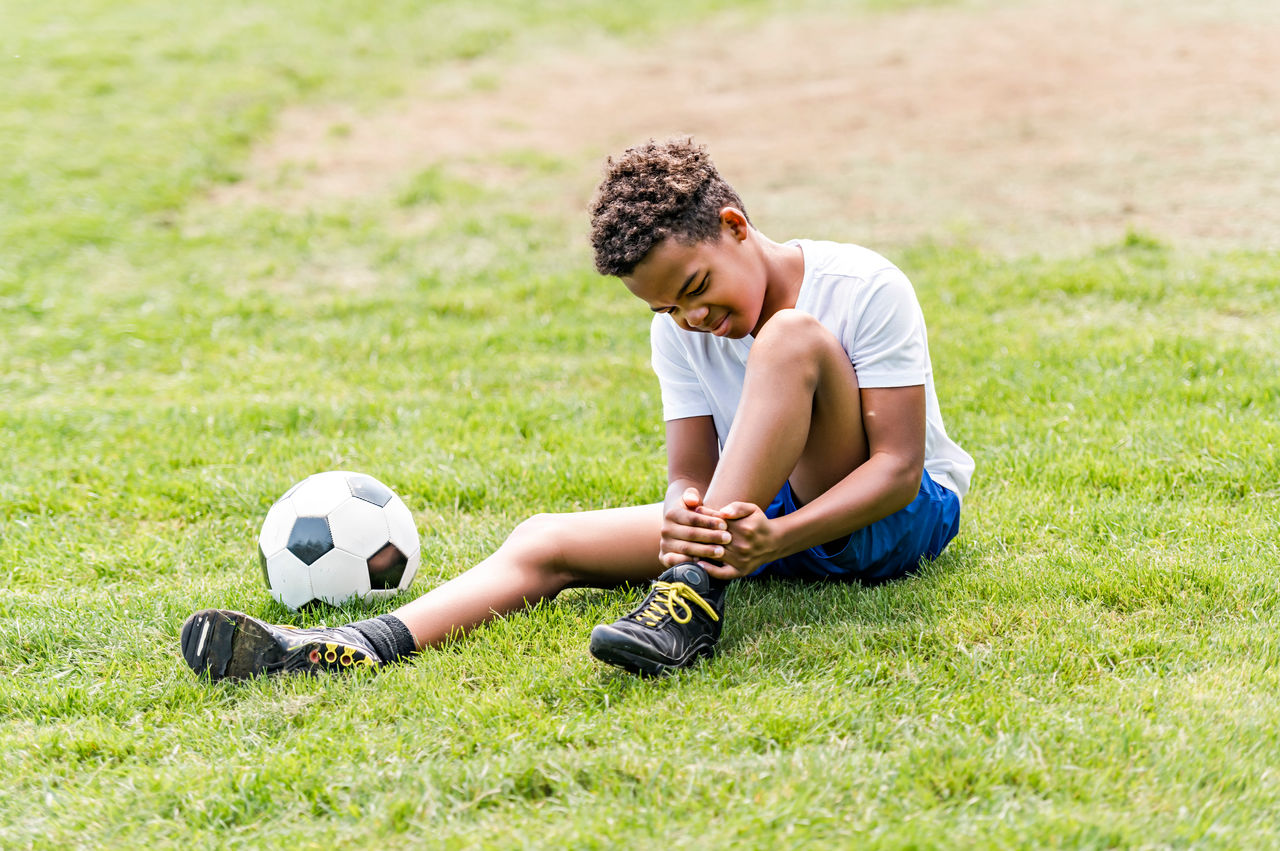
When children fracture a bone, the risk of future complications can arise if the injury isn’t properly treated.
Children’s bones aren’t fully formed until sometime during adolescence, according to the National Institutes of Health (NIH).3 Until the bones are fully grown, they have tissue near the end called growth plates. These plates are a weaker part of the skeleton, making them more vulnerable to injury.3
It’s important to treat growth plate injuries right away to prevent future problems with bone growth. Dr. Riederer sees all types of injuries in his clinics. While growth plate injuries aren’t incredibly common, they do happen, and they need swift treatment. “Fortunately, most growth plate fractures in kids actually heal really well,” he says.
When to see a doctor
Like with sprains, if your child is unable to stand or walk without pain, or they’ve been crying or favoring a particular part of their body, it may be time to see a doctor.
Concussions
Concussions are a serious brain injury that can happen when a hit to the head or body causes your brain and head to move back and forth very quickly, according to the Centers for Disease Control (CDC).4 Symptoms of a concussion can include:5
- Light or noise sensitivity
- Dizziness or balance problems
- Fatigue
- Headaches
- Nausea or vomiting
- Vision problems
- Memory problems
- Attention or concentration problems
- Changes in sleeping patterns
When to see a doctor
If you suspect your child has a possible concussion, take them to a healthcare provider. Explain how they got the injury, any symptoms they’ve been experiencing, and any medications they take.
Tips for injury prevention
While you can’t prevent every bruise or scrape, there are some ways you can help your child play safely.
Play on equipment that’s developmentally appropriate
Dr. Riederer says monkey bar injuries are a common reason kids come to his clinic. Monkey bars may be appropriate for children with more upper body strength, but kids five and younger may not be ready for them.
Here are some examples of age-appropriate playground equipment the Consumer Product Safety Commission gives:6
Kids ages 6-23 months can go on full bucket swings, short and straight slides, ramps, single file step ladders, and spring rockers.
Kids ages 2-5 years can more safely use spiral slides (up to 360 degrees), merry-go-rounds, rotating tire swings, and rung ladders.
Kids ages 5-12 years can play on rope and dome climbers, seesaws, rock wall climbers, chain or cable walks, vertical sliding poles, and overhead rings less than 7 feet high.
Additionally, Dr. Riederer recommends against adults sliding down the playground slide with a young child on their lap. “We see a lot of tibia fractures actually from that because the foot gets caught on the side of the slide and the weight of the adult pushes the kid down,” he explains. Even though it's nerve-wracking, let your little one go down by themselves on age-appropriate slides.
Wear a helmet
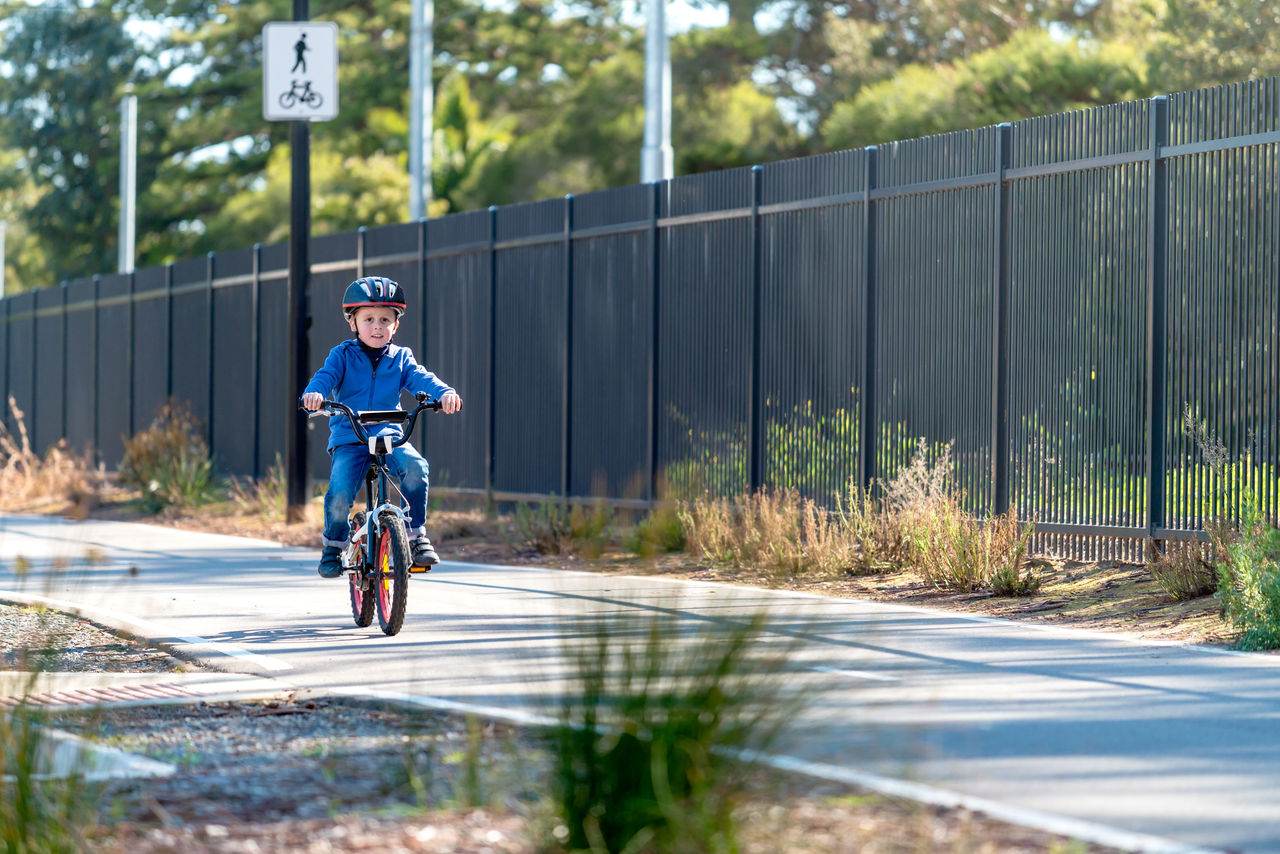
If your child is participating in an activity that poses a risk of concussion, wearing a helmet is a good idea. While it can’t protect against every concussion, a properly-fitting helmet can help prevent serious head or brain injury.
The National Library of Medicine says children should wear a well-fitting helmet for activities such as:7
- Hockey
- Horseback riding
- Inline skating
- Lacrosse
- Playing baseball or softball
- Riding a bike, scooter, or skateboard
- Sledding, skiing or snowboarding
If you’re not sure what helmet is right for your child, check out this guide from the CDC.
Play a variety of sports
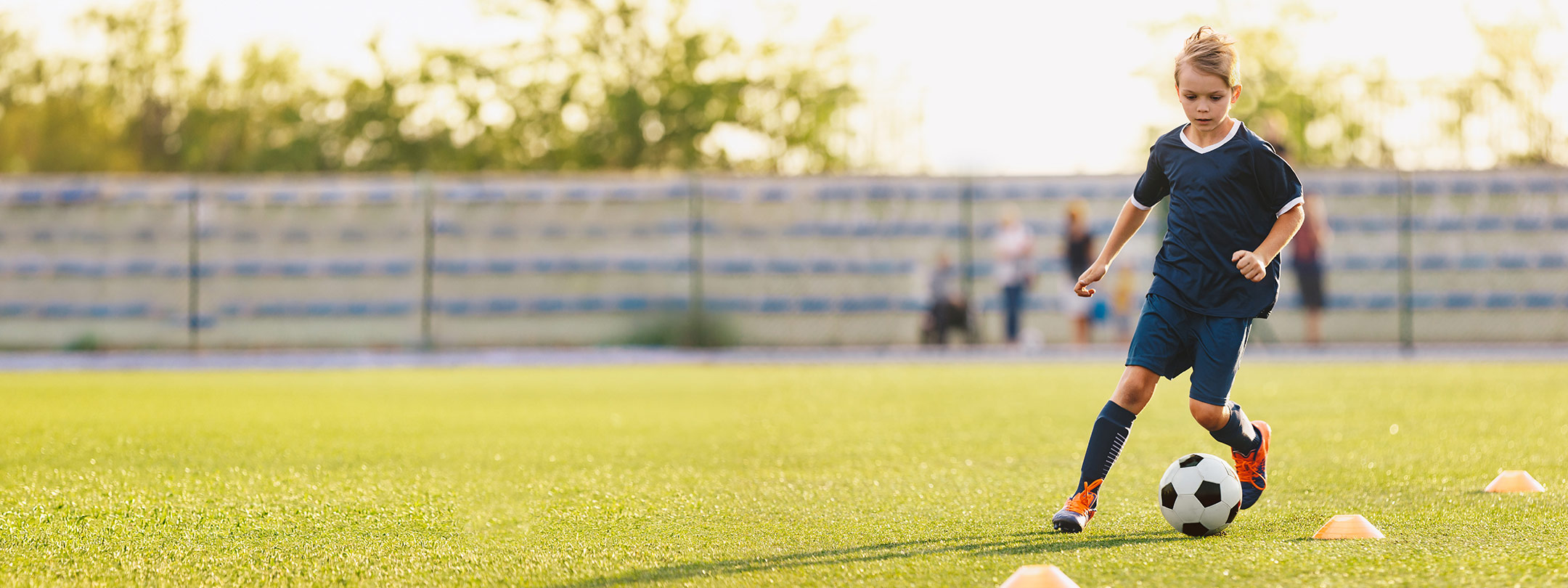
Though it’s tempting to focus solely on the sport your child loves, you may prevent injury risk by having them try a variety of sports and other physical activities. The AAP recommends against young children specializing in a single sport to prevent overuse injuries.2
When your child tries out new, age-appropriate activities, they use different muscles in different ways. This can give the muscles a break from the same movements of a single sport.
Get care when you need it
Kids will inevitably get bumps, bruises, and injuries over the years. It’s just part of being a person! But if you suspect something more is going on, it might be time to visit your child’s provider. Find a PCP or orthopedic specialist for your child to get care when you need it.
If you’re looking for a new health insurance plan for the whole family, browse our individual and family plans. We offer coverage in Colorado, Idaho, Nevada, and Utah with access to high-quality care close to home.
This article is intended for informational purposes only and is not legal or medical advice. Links to other sites are provided as a convenience, but Select Health does not endorse the third-party sites, information, or services.
The content included here is for your information and not a substitute for professional medical advice. It should not be used to diagnose or treat a health problem or disease. Please consult your doctor if you have any questions or concerns. Additionally, this information does not guarantee benefits. To review your benefits, please reference your plan materials or call Member Services at 800-538-5038 weekdays, from 7:00 a.m. to 8:00 p.m., and Saturday, from 9:00 a.m. to 2:00 p.m., closed Sunday. TTY users call 711.
Sources
1. Sprained Ankles, American Academy of Pediatrics, 2014
2. Preventing Overuse Injuries in Young Athletes: AAP Policy Explained, American Academy of Pediatrics, 2024
3. Growth Plate Injuries, National Institutes of Health, 2023
4. Concussion Basics, Centers for Disease Control, 2025
5. Signs and Symptoms of Concussion, Centers for Disease Control, 2025
6. Public Playground Safety Handbook, Consumer Product Safety Commission, 2025
7. Preventing head injuries in children, National Library of Medicine, 2024
Related Articles