
Sleep is more than just a nightly routine, it’s a vital part of a child’s growth, development, and overall well-being. For school-age kids, getting enough quality sleep can make a world of difference in how they learn, behave, and feel each day.
What happens when we sleep?
Sleep affects nearly every part of the body, such as the brain, heart, lungs, metabolism, immune function, and mood. 1
You might think sleep is when the body and mind rest, but in reality, our nighttime brains are busy. While we’re sleeping, we form neuropathways that allow us to learn and create memories.
Celestia Buckley, PsyD, associate professor at the University of Utah and pediatric psychologist at the Sleep Center in Primary Children's Hospital, says that while we sleep there are processes happening that aid in consolidating memories and that help with the process of building new ones. Additionally, sleep impacts memory, emotional regulation, mental health, brain development, and learning.
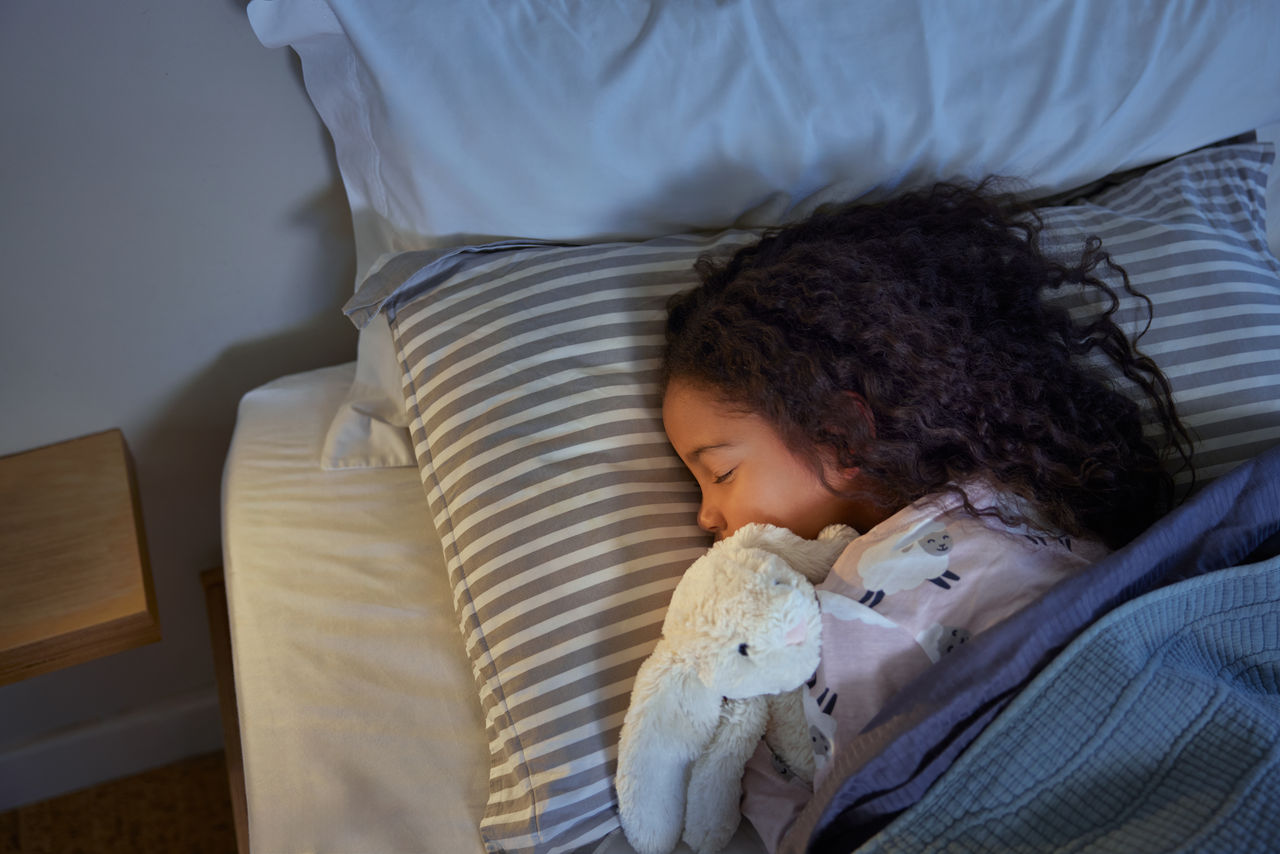
Why kids need lots of sleep
The amount of sleep necessary for children depends on their age. Infants and toddlers will need more rest, but as kids get older, the amount needed slowly tapers off. The American Academy of Sleep Medicine recommends 9-12 hours per day for school-age kids (ages 6-12). Teenagers need 8-10 hours of sleep. 2
Here are a few ways that sleep helps children thrive.
Sleep can help kids learn better
When kids are in school and taking in new information all day every day, it’s important for them to get enough sleep to retain the information they’re learning. Buckley says the processes our brains go through at night are vital for learning and memory retention.
On the other hand, if a child isn’t getting enough sleep, school will be more challenging. They may be getting to school late, struggling in school, sleeping in class, or missing too many days.
“In general, we see impacts on academic performance as well as social situations, too,” Buckley shares. “When we're having a hard time with reasoning and problem solving due to lack of sleep, then everything just gets harder.”
Sleep can help kids regulate their emotions
Though there’s still a lot we don’t know about sleep and the functions that happen when we're resting, research shows there’s a strong connection between sleep and emotional regulation. 3
One study found that sleep loss both intensified negative emotions and also diminished positive emotions felt after achieving a goal. 4
When kids are still learning how to regulate their emotions, especially in social environments like school, sleep is essential.
Sleep may improve mental health struggles
Those who suffer from depression, anxiety, or other mental health issues may notice their sleep habits changing.
“Sleep is notably related to mental health. We often see that when kids and teenagers have anxiety or depression, they have a hard time sleeping. And when they're not getting enough sleep, that subsequently impacts the anxiety and depressive symptoms and makes them worse,” Buckley explains.
While not all situations are the same, starting with a better sleep schedule may make a difference. She says improving your teen’s sleep may improve mental health symptoms.
If your child is experiencing mental health symptoms or struggles, make an appointment with your primary care doctor or pediatrician for personalized help and treatment.
When should kids go to bed?
Buckley says the best way to determine bedtime for kids is to first know when they need to wake up. At that point, count backward until you reach the number of hours your child needs.
For example, if your eight-year-old child wakes up at 6:30 a.m. for school, and needs about ten hours of sleep, count backward by ten hours. They would need to be in bed, with the lights out and asleep by 8:30 p.m.
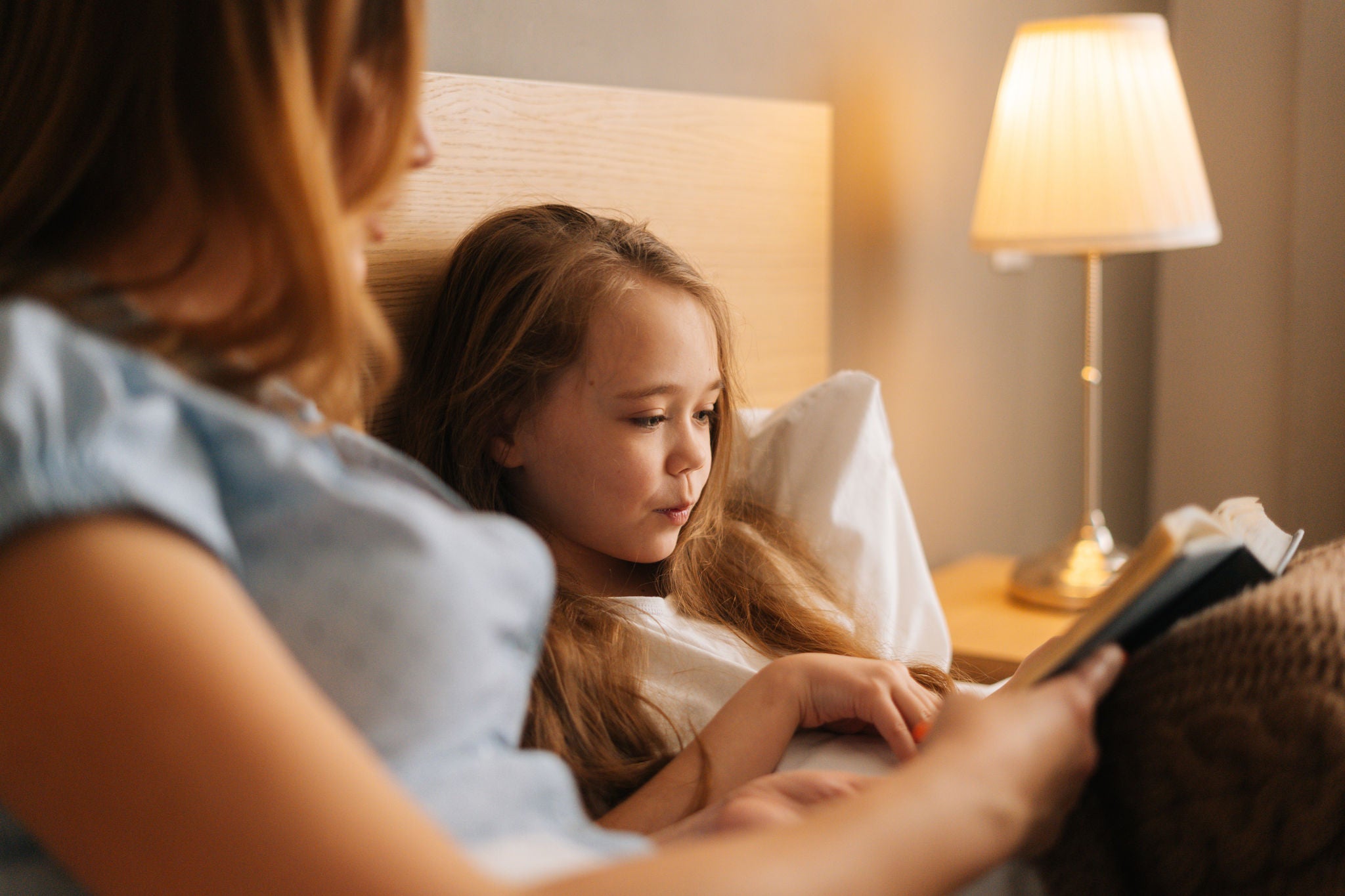
How can you help your child sleep better?
If your child is struggling or you simply want to create a better sleep routine, there are several things you can do.
First, make a schedule and stick to it. “With overall sleep, we want to make sure that kids have a consistent sleep schedule. And one tricky part of that with kids, especially adolescents, is that we want to maintain the same schedule on weekends as well. But that consistency can be really important,” Buckley explains.
Second, create a solid routine. Even though it can be tricky with sports, activities, and homework, creating a step-by-step regimen for bedtime can help signal to the brain it’s time to sleep.
Start by dimming the lights and stowing electronics away one or two hours before bedtime. Buckley says bright light can trick the brain into thinking it’s daytime, which will make it harder to fall asleep. She explains how the processes that help us fall asleep start before we even climb into bed. By avoiding bright lights before bedtime, we can help those processes happen uninterrupted.
Third, make sure you have an ideal bedtime environment. Keep the room dark, quiet, and cool. If it’s still bright outside in the summer months when it’s bedtime, consider hanging blackout curtains in the bedroom. If there is a lot of loud, ambient noise—like cars honking, sirens, or other city noise—consider using a white noise machine.
Buckley advises that white noise machines should only play a plain, consistent sound—like a fan. Variations in frequency, like those in jungle noises, can actually impact quality of sleep. Additionally, make sure the volume isn’t too loud.
An optimal sleep routine also includes getting plenty of morning sunlight when you first wake up. Over time, this can help set your circadian rhythm and make it easier to fall asleep when you need to at night, she explains.
When to seek help for your child’s sleep problem
If you’ve given it your best shot and your child is still struggling with sleep, something more may be going on. Whether it’s nightmares, night terrors, snoring, or something else, getting help from a professional can make a big difference.
Start by making an appointment with your pediatrician or primary care doctor. From there, you can work on a treatment plan to get your child the rest they need.
Do you need a new insurance plan? Select Health has you covered. We have plans for families and individuals, employers, and more. Check out our website to find a health plan that’s right for your life.
The content included here is for your information and not a substitute for professional medical advice. It should not be used to diagnose or treat a health problem or disease. Please consult your doctor if you have any questions or concerns. Additionally, this information does not guarantee benefits. To review your benefits, please reference your plan materials or call Member Services at 800-538-5038 weekdays, from 7:00 a.m. to 8:00 p.m., and Saturday, from 9:00 a.m. to 2:00 p.m., closed Sunday. TTY users call 711.
Sources
1. Brain Basics: Understanding Sleep, National Institute of Neurological Disorders and Stroke, 2025
2. Consensus Statement of the American Academy of Sleep Medicine on the Recommended Amount of Sleep for Healthy Children: Methodology and Discussion, National Library of Medicine, 2016
3. Emotion, emotion regulation and sleep: An intimate relationship, National Library of Medicine, 2017
4. The effects of sleep loss on medical residents' emotional reactions to work events: a cognitive-energy model, National Library of Medicine, 2005
Related Articles